

Written by R. A. Stewart
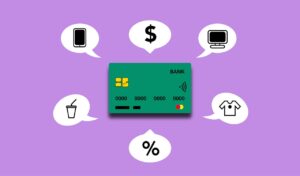
I own a Wise Travel card and a debit card. They are both convenient to have when I am travelling abroad but serve different purposes. There are some basic security rules one must follow when using these cards. Here they are:
- Don’t sign up with these cards with an email address which you use for cryptocurrency, dating sites, and whatever and when you are given the option of signing in to AI with a Google account don’t use an email address that you use to sign in to Wise or your debit card.
- Don’t click on any link you receive in your email; it could be a scammer for all you know trying to hack into your account.
- Don’t use an easily identifiable password such as your pet’s name. Someone could get this info about you by looking at your social media stuff.
- Don’t use either of these cards for saving for an overseas trip, a car, or whatever it is you are saving for. There are better options for saving money such as an ordinary bank account or in shares.
- Have other options for money if you should lose one card so that you won’t be caught out on holiday. Familiarise yourself with the process for dealing with a lost or stolen card.

A Wise travel card and debit card are convenient ways to pay but in different ways. Here are the differences:
Travel: Wise Travel Card
Using a Wise travel card when you are overseas will save you a lot of money in bank fees. If you are using your bank’s debit card for your day to day spending while you are overseas then you will be shocked by the amount of money that has been spent on bank fees.
Accommodation expenses: Debit card
A debit card is handy for paying for your accommodation online which is what I do but if you are paying at the counter then both a wise card and a debit card will do the job. Bank fees on your debit card will be higher though. Be aware that some accommodation providers require you to give your debit card details to them as security.
Grocery Shopping: Wise card
A wise card is better for grocery shopping when you are overseas, if you used your bank’s debit card to pay for your day to day expenses then the bank fees will quickly add up.
Saving money: Neither a wise travel card or an ordinary debit card are suitable for saving money due to security issues, but there is an exception to this rule and that is if you were putting money aside for your holiday spending money. I just top up my wise card months prior to travel and while I am on my travels.
Internet shopping: Debit card
I use a debit card for my internet shopping such as with ebay, trademe, and the like, but you still need to be careful with which sites you give your bank details to.
Bus/train transport: Wise card
I use a wise card for domestic travel whether it be the local buses in the cities like Edinburgh, Stirling, and Aberdeen or paying for train travel. Using a debit card for overseas travel is more expensive.

About this article
This article is of the writer’s opinion and does not represent financial advice and may not be applicable to your personal circumstances therefore discretion is advised. You may use this article as content for your blog or ebook.
Read my other articles on www.robertastewart.com
Tired of seeing your bank charge you $5-10 every time you withdraw cash abroad PLUS that hidden foreign transaction fee? 🤯 That’s money that should be buying you a gelato, a beer, or a souvenir. Wise gets you the real mid-market exchange rate with only tiny, transparent conversion fees from 0.42%. Stop funding your bank’s next vacation. Fund yours. 👉 Link in bio to get your Wise card!
#TravelHacks #WiseCard #NoHiddenFees